




Farmers face total farm loss in the coming October El Niño rains that may cause flooding, landslides, crop destruction and market inaccessibility.
Farmers will be most affected by El Niño rains, from farm destruction to total crop loss.
According to the Kenya Meteorological Service Authority (KMSA), Kenya expects heavy El Niño rains across the country from as early as October to December 2026, and may spill into February 2027.
Although it’s a possibility, the scars of the last El Niño rains in 1997-1998 are still evident today.
The 10-month rainfall that started in May 1997 and ended in February 1998 caught farmers and the whole country unprepared.
According to the Food and Agriculture Organisation (FAO), the northeastern regions received 100 times more rainfall than usual, causing the worst floods in history.
In terms of destruction alone, more than 2.3 million animals died from drowning, with more than 2,000 people losing their lives.
Thousands of acres of fertile land were rendered infertile as flash floods carried away the fertile part of the soil.
If El Niño rains come true, this is what is bound to happen.
Effects of El Niño
Farmers in flat regions should prepare for flash floods across their farmlands.
The worst thing about flash floods, despite sweeping away crops, is carrying away the top fertile soil, which may take years to replenish.

Soil re-degradation takes years, and it’s very expensive. As a farmer, study the history of your farm. Is it located in a water pathway?
Ask around — did people in the area experience flooding in those years?
If this is not possible, consider not planting for a while and relocating your animals to high-raised areas to avoid drowning.
With El Niño, there is a high likelihood of landslides recurring in prone regions. This has been happening frequently in some parts of Murang’a County, Nandi County, and others.
Landslides have swept away acres of tea farms, causing destruction to property and even lives. In such cases, you as a farmer should consider your safety first.
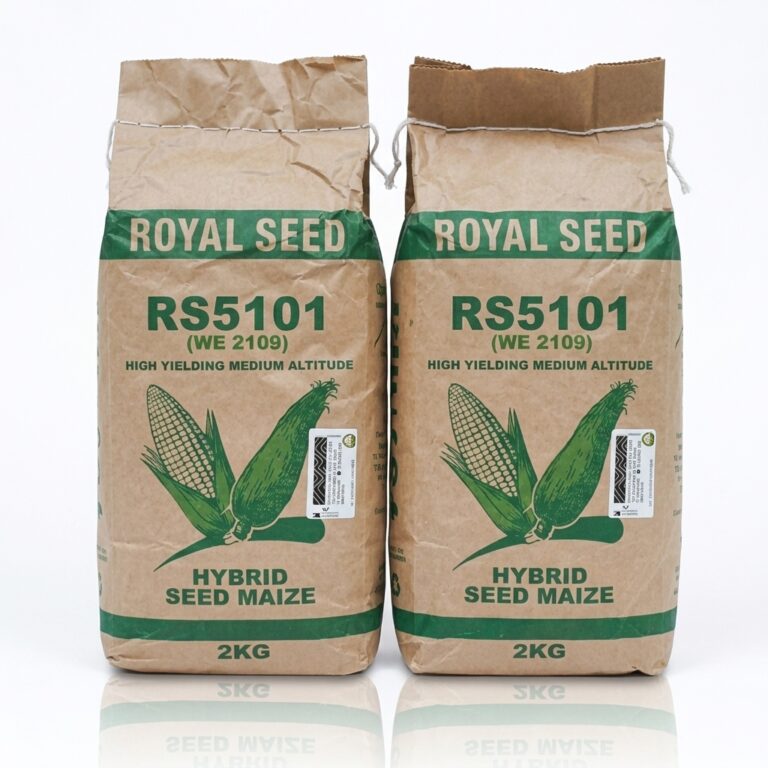
Read Also: The best maize seeds for short rains in Kenya 2026
Accessibility of farms becomes a big tussle. We’ve witnessed bridges carried away, cutting off farms from the market.
Also, most farms lack connection to all-weather roads, with the available ones becoming impassable when it rains. This is common in counties like Nyandarua, Laikipia, Narok, Nandi, and many others.
With heavy rains comes a high prevalence of fungal diseases, both in horticultural crops like tomatoes, potatoes, and capsicums, and in cash crops like coffee.
This increases the cost of management, with worst cases causing total crop loss.
If you have such crops on your farm, you might as well prepare early for more chemical usage.
With floods and landslides sweeping away crops and making farms inaccessible, the market supply starts to decline sharply.
And since we must eat, prices start to rise due to the constant demand.
On one side, market prices rise to an all-time high, as farmers watch on the other side as their costly, hard-farmed crops rot because buyers are unable to access them due to poor road systems.
Finally, for livestock farmers, prepare early. Stock enough concentrates and fodder in the form of silage that can last at least 6 months. This will save you from the feed and fodder shortage that may arise.
Both county and national governments should coordinate to make the road networks accessible, especially in farming-rich counties.
In the coming El Niño, stay safe and take care.