 Kelvin Wairimu
Starting a chicken farm in Kenya can cost anywhere between Ksh. 5,000 and Ksh. 1,000,000, depending on the type of poultry (layers, broilers, or kienyenji), housing, feed, and healthcare.
This guide breaks down the startup costs for layers, broilers, and kienyenji chickens and shares expert tips to reduce expenses and maximize profits.
How Much Does It Cost to Start a Layer Chicken Farm in Kenya?
Layers are an excellent choice for farmers looking to earn from egg production. However, they require proper housing, feeding, and healthcare to ensure high productivity. The estimated cost of starting a 100-layer chicken farm in Kenya is sh. 130,000.
Read Also: How to Start Poultry Farming in Kenya 2025
Cost Breakdown for 100 Layer Chickens
| Expense Item | Estimated Cost (Ksh) |
|---|---|
| 100-day-old layer chicks | 10,000 |
| Poultry house structure | 15,000 |
| 20 bags of layers feed | 100,000 |
| Vaccination & miscellaneous | 5,000 |
| Total Estimated Cost | 130,000 |
Key Considerations for Layer Farming:
- Proper housing – A well-ventilated coop prevents diseases and stress.
- High-quality layers feed – Poor nutrition delays egg production.
- Regular vaccination – Protects against common poultry diseases.
- Disease management – Layers are highly susceptible to infections.
With proper care, 100 layers can produce up to 90 eggs daily, making them highly profitable.
How Much Does It Cost to Start a Kienyenji Chicken Farm in Kenya?
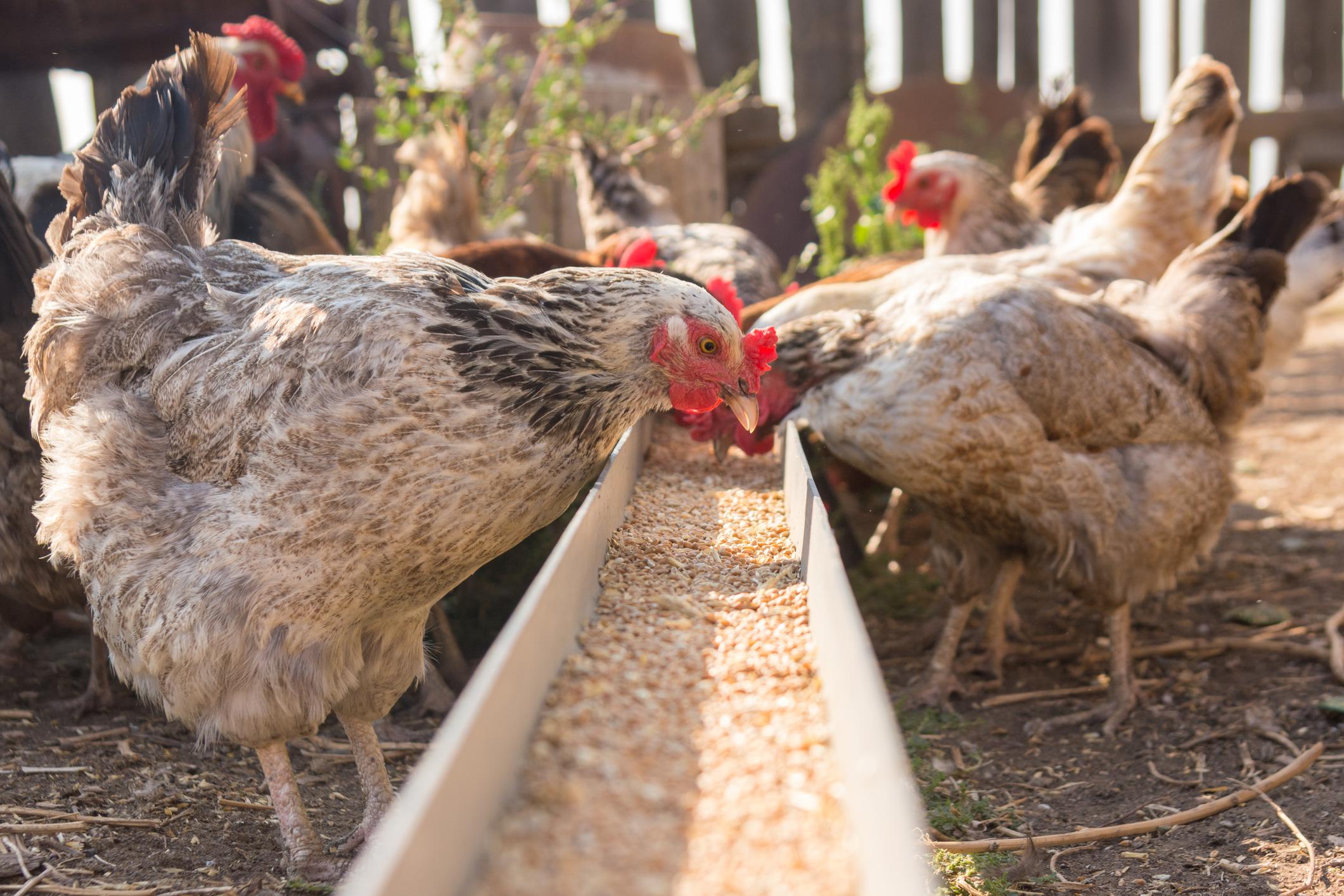
Kienyenji (Indigenous) chickens are affordable, hardy, and low-maintenance, making them the best choice for small-scale farmers. The cost of starting a kienyenji chicken farm in Kenya is sh. 5,000 for 10 birds.
Cost Breakdown for 10 Kienyenji Chickens
| Expense Item | Estimated Cost (Ksh) |
|---|---|
| 10 kienyenji chicks | 2,500 |
| Simple chicken coop | 1,000 |
| Feeds (free-range system) | 1,500 |
| Total Estimated Cost | 5,000 |
Why Kienyenji Farming Is Cost-Effective:
- Lower feeding costs – A free-range system reduces feed expenses.
- Minimal housing requirements – A simple structure under Ksh. 1,000 is sufficient.
- Hardy birds – More resistant to diseases than broilers or layers.
Best for rural farmers or beginners looking for a low-cost poultry farming option.
How Much Does It Cost to Start a Broiler Chicken Farm in Kenya?
Broilers grow fast and can be sold within 6 weeks, making them ideal for meat production. However, they require intensive feeding and disease control. The cost of starting a 100-bird broiler farm in Kenya is sh. 50,000.
Read Also: How to Raise 2kg-Broilers in 4 Weeks with Zero Deaths
Cost Breakdown for 100 Broiler Chickens
| Expense Item | Estimated Cost (Ksh) |
|---|---|
| 100-day-old broiler chicks | 10,000 |
| 8 bags of broiler feed | 32,000 |
| Vaccination & miscellaneous | 8,000 |
| Total Estimated Cost | 50,000 |
Challenges of Broiler Farming:
- High feeding costs – Broilers consume large amounts of feed.
- Delicate and disease-prone – Need proper vaccination and hygiene.
- High mortality risk – Without good management, losses can be high.
Broilers are best for farmers targeting bulk meat production and quick returns.
Which Type of Chicken Farming Is Best for You?
Here’s a cost comparison of different poultry farming methods in Kenya:
| Type of Poultry Farming | Estimated Startup Cost (Ksh) |
|---|---|
| Layers (100 birds) | 130,000 |
| Kienyenji (10 birds) | 5,000 |
| Broilers (100 birds) | 50,000 |
Choosing the Right Poultry Farming Model
- Egg production: Choose layers (long-term profits).
- For low-cost farming: Choose kienyenji (minimal investment).
- For fast meat production: Choose broilers (quick returns).
How to Reduce Poultry Farming Costs in Kenya
To maximize profits and cut expenses, consider the following:
- Buy feed in bulk – Reduces costs by up to 30%.
- Use locally available feed ingredients – E.g., sunflower cake, omena (fish meal), and kitchen leftovers.
- Practice proper vaccination – Prevents costly disease outbreaks.
- Choose the right location – Rural areas have lower land and feed costs.
Keep Reading:
Conclusion: How Much Should You Invest in a Chicken Farm?
Starting a chicken farm in Kenya can be affordable or high-cost, depending on the type of birds and your management approach. Here’s a quick recap:
- Kienyenji – Best for low-budget farming (Ksh. 5,000 – Ksh. 50,000).
- Broilers – Best for quick meat production (Ksh. 50,000 – Ksh. 200,000).
- Layers – Best for long-term egg farming (Ksh. 130,000 – Ksh. 500,000).
Want expert poultry farming insights?
About Post Author