 Kelvin Wairimu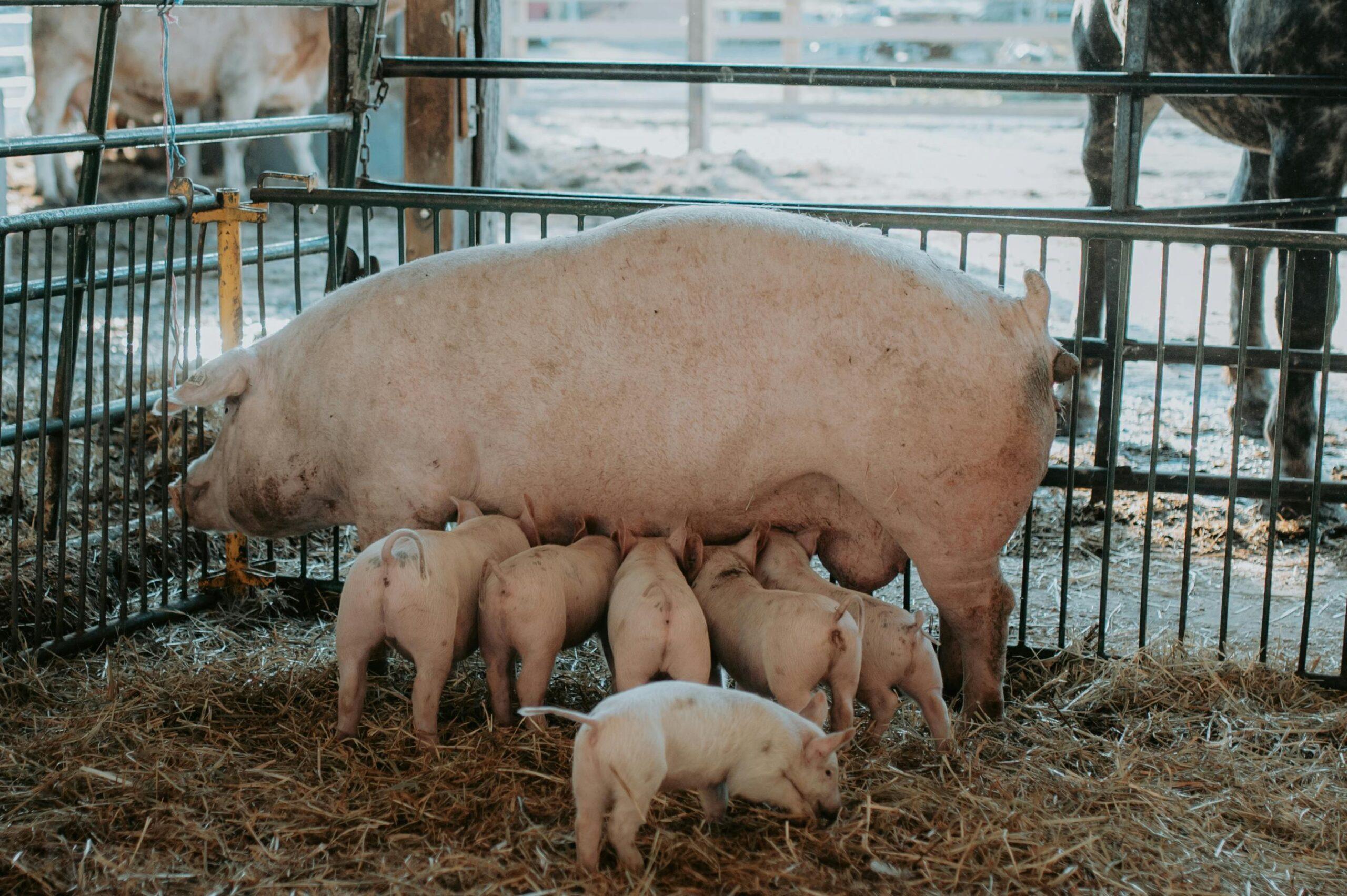
The biggest challenge facing pig farmers is the high cost of commercial pig feeds that do not boost growth.
This comprehensive guide provides proven pig feed formulations specifically designed for Kenyan conditions, using locally available ingredients that boost growth.
Whether you’re raising weaners or managing sows, these scientifically backed recipes will help you maximise profitability while ensuring your pigs receive balanced nutrition.
What You’ll Learn:
- Complete weaner pig feed formulation with nutritional analysis
- Optimised sow feed recipe for lactating and gestating sows
- Cost breakdown of homemade pig feed in Kenya
- Feeding guidelines for different pig categories
Understanding Pig Nutritional Requirements in Kenya
Before diving into formulations, it’s essential to understand what pigs need at different life stages.
Weaner Pig Nutritional Needs (3-8 weeks)
Weaner pigs have the highest nutritional demands due to rapid growth:
- Crude Protein: 20-24%
- Metabolizable Energy: 12.5-14.0 MJ/kg (3,000-3,345 kcal/kg)
- Lysine: 1.15-1.35%
- Calcium: 0.8-0.9%
- Phosphorus: 0.6-0.7%
Sow Nutritional Requirements
Sows have different needs depending on their reproductive stage:
Gestating (Pregnant) Sows:
- Crude Protein: 13-15%
- Metabolizable Energy: 12.5-13.0 MJ/kg
- Feed amount: 2.0-2.5 kg per day
Lactating (Nursing) Sows:
- Crude Protein: 15-18%
- Metabolizable Energy: 12.5-13.5 MJ/kg
- Feed amount: 4.0-7.0 kg per day
Best Ingredients for Pig Feed in Kenya
Understanding your feed ingredients is crucial for successful pig feed formulation. Here are the most commonly available and cost-effective options in Kenya:
Energy Sources:
- Whole Maize Meal – High energy (13.75 MJ/kg), low protein (8.5%)
- Maize Germ – Good energy (13.0 MJ/kg), moderate protein (10%)
- Wheat Pollard – Moderate energy (11.0 MJ/kg), good fibre source
Protein Sources:
- Fish Meal – Highest protein (60-65%), excellent amino acid profile
- Sunflower Seedcake – Good protein (28-35%), locally produced
- Soya Bean Meal – Premium protein (45%), balanced amino acids
Supplements:
- Limestone – Calcium source
- Dicalcium Phosphate (DCP) – Calcium and phosphorus
- Salt – Essential minerals
- Toxin Binder – Protects against mycotoxins in feed
- Kaolin BP – Anti-caking agent and digestive aid
- Vitamin-Mineral Premix – Micronutrients
- Lysine & Methionine – Essential amino acids
How to make pig starter at home
Ingredients List (Per 100kg Batch)
| Quantity (kg) | Percentage | Purpose | |
| Whole Maize Meal | 34.2 | 34.2% | Primary energy source |
| Maize Germ | 15.0 | 15.0% | Energy + protein |
| Wheat Pollard | 10.0 | 10.0% | Fiber + energy |
| Sunflower Seedcake | 20.0 | 20.0% | Plant protein |
| Fish Meal | 15.0 | 15.0% | High-quality protein |
| Soya Bean Meal | 2.0 | 2.0% | Premium protein |
| Toxin Binder | 0.3 | 0.3% | Mycotoxin protection |
| Limestone (CaCO₃) | 0.8 | 0.8% | Calcium |
| Dicalcium Phosphate | 0.5 | 0.5% | Phosphorus + calcium |
| Salt | 0.3 | 0.3% | Sodium chloride |
| Kaolin BP | 0.5 | 0.5% | Anti-caking & digestive aid |
| Lysine | 0.8 | 0.8% | Essential amino acid |
| Methionine | 0.02 | 0.02% | Essential amino acid |
| Vitamin-Mineral Premix | 0.58 | 0.58% | Micronutrients |
| TOTAL | 100.0 | 100.0% | – |
Nutritional Analysis of Weaner Feed
Crude Protein: 22.86%
- Target range: 20-24%
- Digestible crude protein: ~18.3%
Metabolizable Energy: 11.78 MJ/kg (2,815 kcal/kg)
- Target range: 12.5-14.0 MJ/kg
- Status: Acceptable for weaners
Other Key Nutrients:
- Lysine: ~1.65% (High – Excellent)
- Calcium: ~0.85% (Optimal)
- Phosphorus: ~0.65% (Optimal)
- Crude Fibre: ~6.5% (Optimal)
Cost of Weaner Feed (100kg Batch)
| Ingredient | Weight (kg) | Price/kg (KES) | Total (KES) |
| Whole Maize Meal | 34.2 | 45 | 1,539 |
| Maize Germ | 15.0 | 40 | 600 |
| Wheat Pollard | 10.0 | 35 | 350 |
| Sunflower Seedcake | 20.0 | 50 | 1,000 |
| Fish Meal | 15.0 | 120 | 1,800 |
| Soya Bean Meal | 2.0 | 80 | 160 |
| Toxin Binder | 0.3 | 300 | 90 |
| Kaolin BP | 0.5 | 150 | 75 |
| Lysine | 0.8 | 350 | 280 |
| Methionine | 0.02 | 800 | 16 |
| Other Supplements | 2.18 | ~200 | 436 |
| TOTAL | 100.0 | – | ~6,346 |
Cost per kilogram: ~63 KES Savings vs. commercial feed: 30-35%
Feeding Guidelines for Weaners
Age 3-4 Weeks:
- Feed: 250-400g per piglet per day
- Frequency: 2-3 times daily
- Expected weight: 5-8 kg
Age 5-6 Weeks:
- Feed: 500-700g per piglet per day
- Frequency: 2-3 times daily
- Expected weight: 10-15 kg
Age 7-8 Weeks:
- Feed: 800-1,200g per piglet per day
- Frequency: 3 times daily
- Expected weight: 18-25 kg
Expected Performance:
- Average daily gain: 350-450g
- Feed conversion ratio: 1.8-2.2
- Mortality rate: <3% with good management
How to make sow feed at home
Ingredients List (Per 100kg Batch)
| Ingredient | Quantity (kg) | Percentage | Purpose |
| Whole Maize Meal | 44.17 | 44.17% | Primary energy source |
| Maize Germ | 20.0 | 20.0% | Energy + protein |
| Wheat Pollard | 15.0 | 15.0% | Fiber + energy |
| Sunflower Seedcake | 10.0 | 10.0% | Plant protein |
| Fish Meal | 6.0 | 6.0% | High-quality protein |
| Soya Bean Meal | 1.5 | 1.5% | Premium protein |
| Toxin Binder | 0.3 | 0.3% | Mycotoxin protection |
| Limestone (CaCO₃) | 0.9 | 0.9% | Calcium |
| Dicalcium Phosphate | 0.3 | 0.3% | Phosphorus + calcium |
| Salt | 0.3 | 0.3% | Sodium chloride |
| Kaolin BP | 0.5 | 0.5% | Anti-caking & digestive aid |
| Lysine | 0.8 | 0.8% | Essential amino acid |
| Methionine | 0.02 | 0.02% | Essential amino acid |
| Vitamin-Mineral Premix | 0.25 | 0.25% | Micronutrients |
| TOTAL | 100.0 | 100.0% | – |
Nutritional Analysis of Sow Feed
Crude Protein: 16.01%
- Target range: 15-18%
- Digestible crude protein: ~12.8%
Metabolizable Energy: 12.31 MJ/kg (2,942 kcal/kg)
- Target range: 12.5-13.5 MJ/kg
- Status: Excellent for lactating sows
Other Key Nutrients:
- Lysine: ~1.55% (High – Excellent)
- Calcium: ~0.90% (Optimal)
- Phosphorus: ~0.55% (Optimal)
- Crude Fibre: ~5.5% (Optimal)
Cost of Sow Feed (100kg Batch)
| Ingredient | Weight (kg) | Price/kg (KES) | Total (KES) |
| Whole Maize Meal | 44.17 | 45 | 1,988 |
| Maize Germ | 20.0 | 40 | 800 |
| Wheat Pollard | 15.0 | 35 | 525 |
| Sunflower Seedcake | 10.0 | 50 | 500 |
| Fish Meal | 6.0 | 120 | 720 |
| Soya Bean Meal | 1.5 | 80 | 120 |
| Toxin Binder | 0.3 | 300 | 90 |
| Kaolin BP | 0.5 | 150 | 75 |
| Lysine | 0.8 | 350 | 280 |
| Methionine | 0.02 | 800 | 16 |
| Other Supplements | 1.68 | ~200 | 336 |
| TOTAL | 100.0 | – | ~5,450 |
Cost per kilogram: ~55 KES Savings vs. commercial feed: 35-40%
You can also enhance the growth with The Best Booster for Pigs:How to Fatten your Pigs Faster
Feeding Guidelines for Sows
Gestating (Pregnant) Sows:
- Feed amount: 2.0-2.5 kg per day
- Feeding times: 2 times daily (morning & evening)
- Last 2 weeks before farrowing: Increase to 3.0 kg per day
- Goal: Maintain body condition without excessive weight gain
Lactating (Nursing) Sows:
- Feed amount: 4.0-7.0 kg per day
- Adjust based on litter size: Add 0.5kg per piglet above 8
- Feeding times: 3-4 times daily
- Water: Critical – provide 20-30 litres per day
- Goal: Support milk production without excessive weight loss
Expected Performance:
- Litter size: 10-12 piglets
- Piglet weaning weight: 7-9 kg at 4-6 weeks
- Return to estrus: 5-7 days after weaning
- Sow body condition: Good condition maintained
Farmers with fewer than 10 piglets or who cannot afford the 100kg batch can start with 20-50kg. Transitioning to new formulated feeds should be done gradually over 2-3 days.
For farmers with big farms, they can buy a mixer, but it’s not necessary; mixing can be done on the floor with a shovel.
Do not feed or use ingredients with a Mouldy smell or visible mould growth, with a Rancid or sour odour, with the Presence of insects or rodent droppings, with Excessive moisture or clumping, or with unusual discolouration.
About Post Author