
What was known previous as best crops for making money are currently in high suppy in the market, with low prices causing farmers to incur losses.
This, combined with low consumer purchasing power, has pushed prices to their lowest.
But that doesn’t mean you won’t plant. Several crops are promising, and prices might stabilise in the next 3–4 months.
Also, with the likelihood of El Niño and the next general election, prices may rise soon.
This is the list of crops that I strongly believe are ideal for planting in August 2026.
The best crops
1. Maize
Maize crops in the majority of large-scale farms in the greater Rift Valley and western regions of Kenya have failed.

The rains delayed and inconsistent, causing the maize to stunt.
With this region supplying over 75% of the maize consumed in Kenya, the government may seek to import duty-free maize to cushion consumers.
This has been the case in electioneering years in the past.
The importation fills the demand for dry maize for flour and animal feed. But it doesn’t fill the huge demand for green maize used for roasting and fodder such as silage.
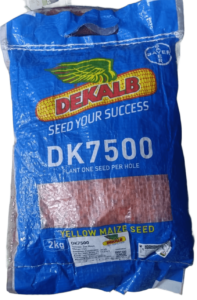
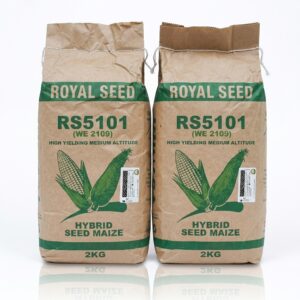
ALSO READ: RS 5101 (WE 2109), the Best Maize Variety to Grow in Kenya 2026
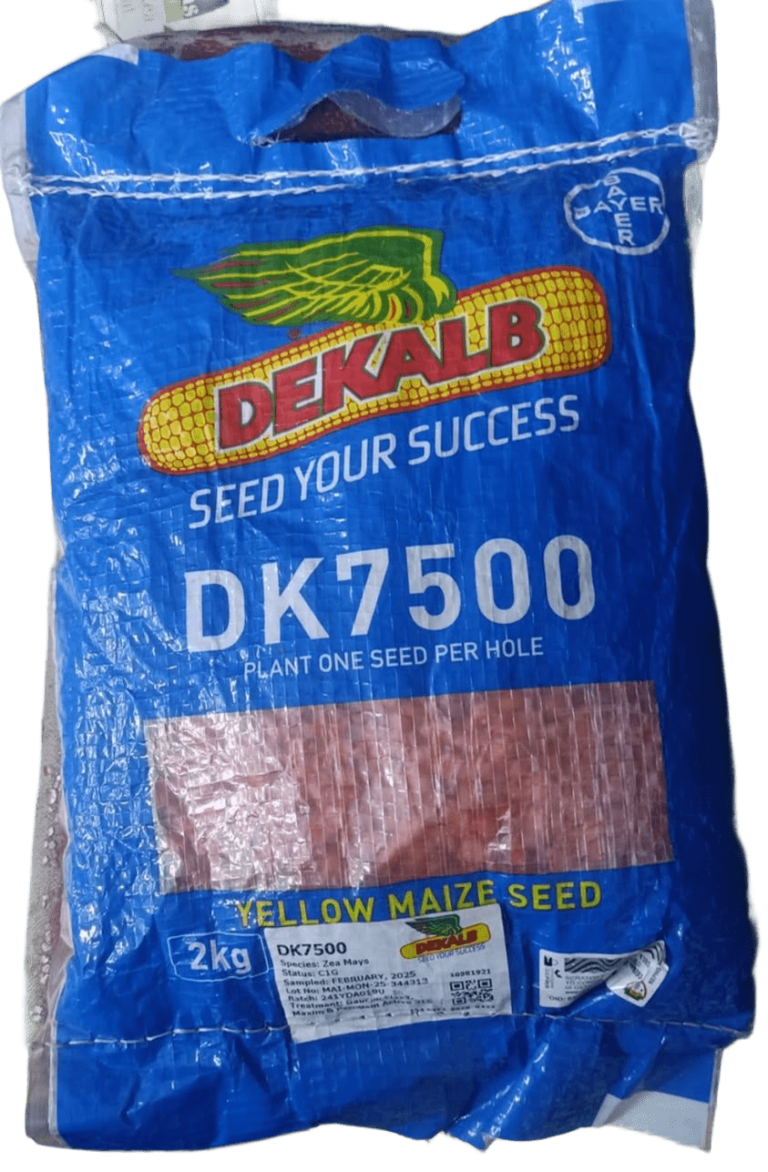
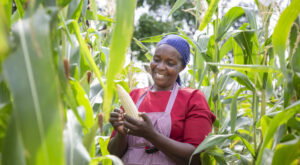
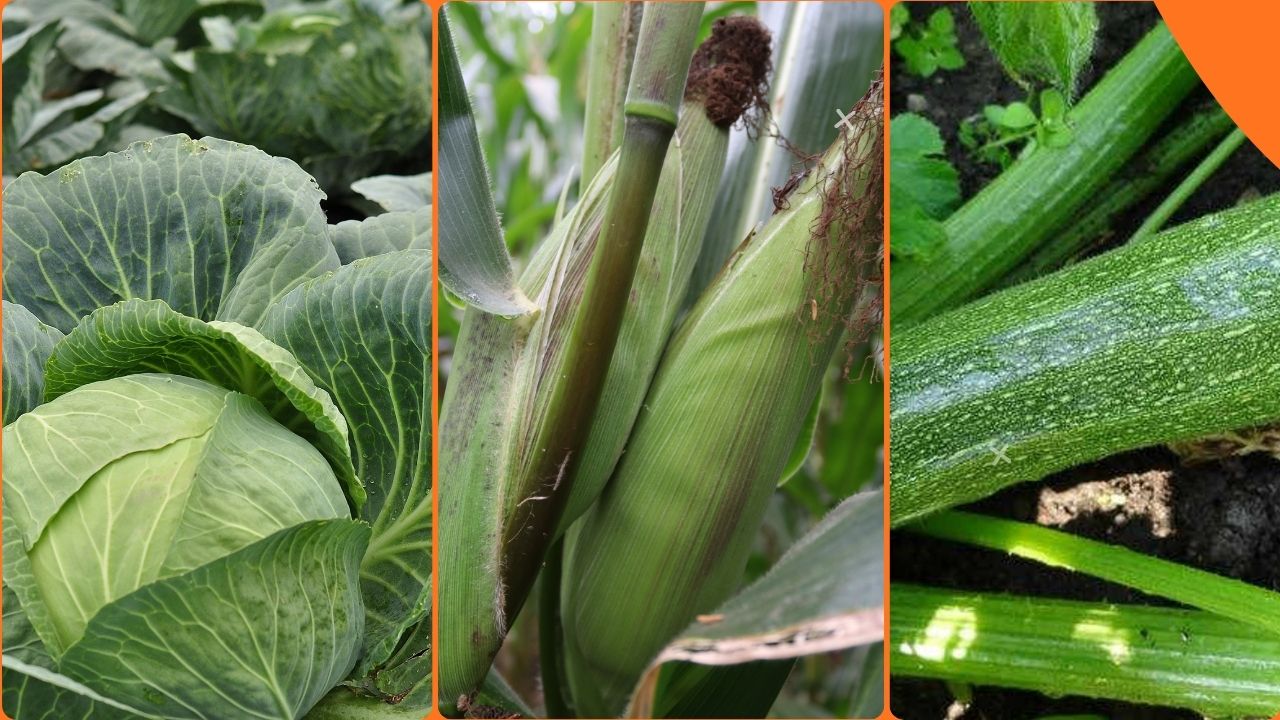
Without a doubt, then, planting the three-month maize variety and targeting to sell it green and/or as silage may turn out to be profitable in the days to come. That’s why it is among the best crops to plant now.
Make sure you check out these best maize varieties to plant in Kenya.
2. Cabbages
Despite the prices being low and stable in some places, they might rise in October and November.
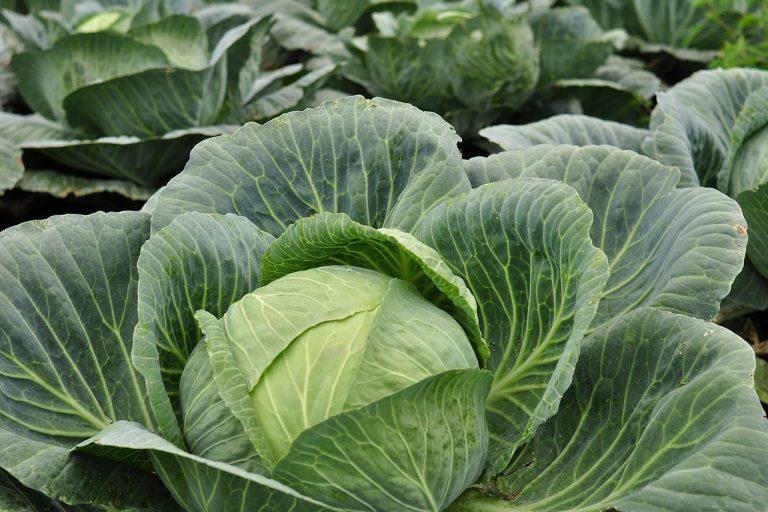
Before the October rains, September may be very dry.
This means few farmers will plant cabbages, as they need a lot of water and few farmers can manage irrigation.
While planting, go for drought-tolerant hybrid varieties that have high resistance to diseases such as black rot.
Discover the best cabbage varieties that you can plant in Kenya and make money.
3. Dhania
Dhania, a spice, is the cheapest, fast-growing vegetable with great returns due to its low cost of production.
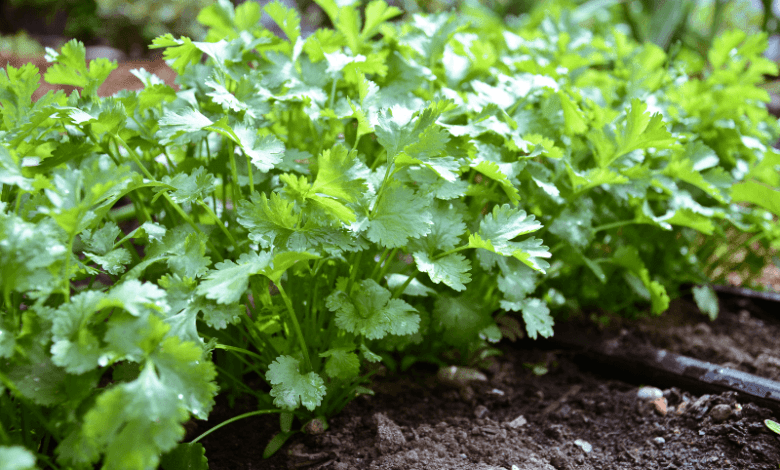
With a maturity of 40–45 days, dhania prices tend to rise in dry months and at the beginning of wet months before falling to their lowest in the high-supply rainy season.
While planting, the aim is to have at least two weeks’ spacing and plant good varieties such as Royal Seed coriander, which is appealing, has great pungency, and has wide market acceptability.
4. Green Vegetables
Here we include spinach, managu (black nightshade), amaranthus (terere), murenda, and spider plant.
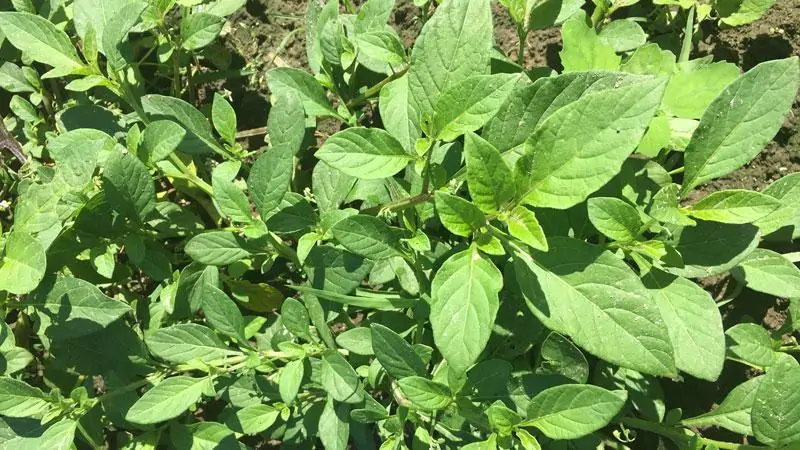
Daily consumption of freshly harvested indigenous vegetables is growing, and so are the prices.
Like dhania, go for sorted company seeds instead of those in the market, as they tend to perform well.
Ensure your planting area has plenty of well-decomposed manure and good drainage. This hastens growth and ensures better yield.
5. Courgettes
Courgettes are known to grow in size daily after flowering and are ready for harvest in less than a week after fruit set.

It is this fast growth and continuous increase in demand that make it ideal to plant now.
However, in order to enjoy good prices, go for hybrid varieties, especially from Stark Ayres’ Star 8024.
With good, fertile loam soil, do direct seeding. Prepare to control fungal diseases such as powdery mildew and fruit flies.
Both cause over 70% crop destruction, and the solution is early prevention with fungicides and insecticides before infestation.
And those are the best crops you can plant now, with the hope of making good profits. What other best crops do you think are ideal to plant this season, and why?