
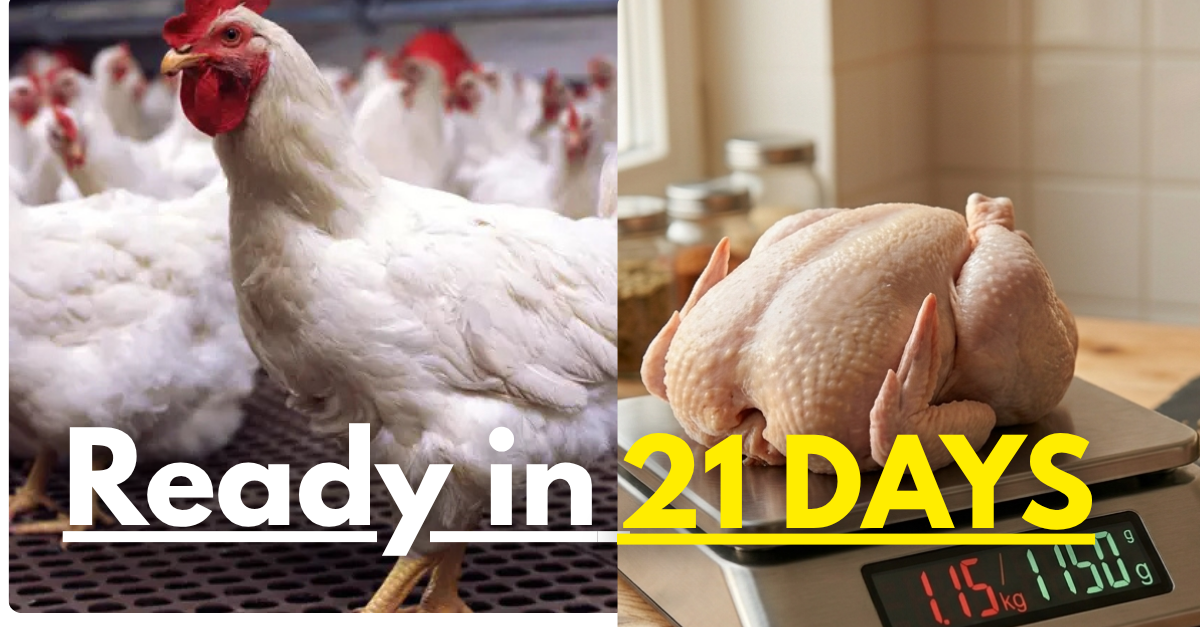
When it comes to broiler farming, the profit or loss is largely determined by how quickly they mature (often 1.0–1.5kg live weight) and, of course, diseases that cause mortality.
Disinfecting housing with disinfectants such as Noloclease against disease-causing bacteria, viruses, and fungi at least one week before bringing them in is the first step.
For beginners in broiler farming, while constructing the coop, make sure the ventilation faces away from the direction of the wind.
Creating a good brooder, spacious according to the number of birds and with good warmth, is the second step. Adding a 5inch layer of wood shavings helps keep the coop warm. Make sure you sieve it to remove the fine ones, as they tend to feed on it, which can cause mortality.
Start with a smaller brooder and enlarge it as they grow. The enlargement should correspond to an increase in vitamins given to prevent any stress. Little change can cause huge stress to the birds.
I prefer using infra-red bulbs as a source of warmth — it’s ideal. For farmers without access to electricity, use a jiko, but make sure it is well burnt to avoid carbon dioxide poisoning.
This is the broiler farming routine for raising broilers from day 1 to day 25.
Day One of Broiler Farming
I prefer the following: Chick Start — an instant energy and anti-stress formulation containing glucose, amino acids, vitamins, and essential minerals that help chicks overcome stress caused by temperature fluctuations, transport, handling, vaccination, or changes in environment.
I also love adding a broad-spectrum antibiotic like Aliseryl WS or Vetceryl, and liquid paraffin to prevent constipation.
As for the feeds, I love starting with starter crumbs for two weeks. Irvine, Suguna, and Unga are my top choices.
As the birds grow, it’s good to monitor ventilation and temperature. Poor ventilation may lead to ammonia build-up, which can cause mortality.
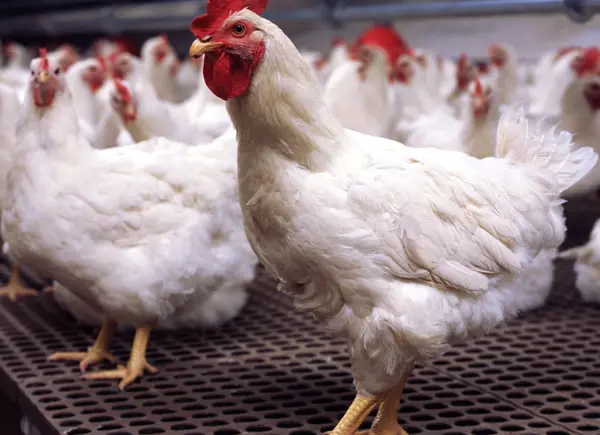
From the 15th day, I start transitioning to broiler grower/finisher crumbs, still from Irvine’s, Suguna, or Unga.
At this point, I love introducing Poultry Microbes to enhance feed conversion, Livercare to prevent waterbelly disease, and Broiler Booster to enhance quick weight gain. All of them have a nil withdrawal period.
One thing with broilers is that they need close monitoring 24/7. A single change or a little diarrhoea can spread from one bird to many, with mortality happening in seconds.
How to diagnose, treat, and prevent the current fastest killer of cows
By the 21st day, the birds should be weighing 1.2–1.4kg live weight and ready for slaughter.
However, in the event there is a disease-causing diarrhoea or any other issue in particular affecting absorption of feed, the birds may retard, or have a slow growth rate.
Some farmers have reported staying with birds for more than 7 weeks.
Finally, with the thin profit margin, if any, in broiler farming, any extra day costs an extra bag of feed — a minus of Ksh 4,000+ from the profit. It is the same for any mortality.