

Demand for milk and the high cost of concentrates has made farmers turn to other fodder alternatives such as sillage that can increase milk at a low price.
Sillage is a product made from fermented forage crops at high moisture content. This may be maize, sorghum, millet or a combination with sunflower. The use of quality sillage has been successful with significant levels of milk increasing.
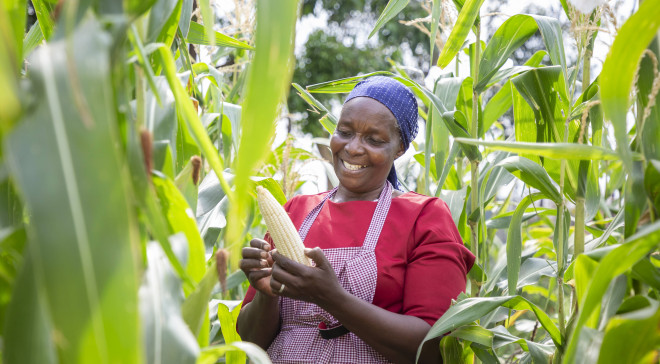
Due to this, the demand for sillage, especially maize sillage, has been increasing. More maize farmers are selling their maize for sillage as it has a low management cost. No cost of shelling and sun-drying incurred. The selling price is also good compared to selling in bags.
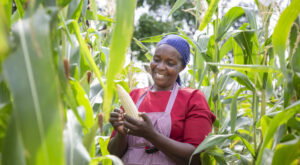
The higher the tonnage per acre the better the returns. Therefore farmers are looking for varieties that give large quantities of forage per unit acre of land. Maize sillage is made from normal maize which is bred for producing large quantities of seeds as compared to forage like the case of millet or sorghum.
There are two varieties of sorghum and millet. The native variety for producing seeds with less forage and the advanced one with high forage and few seeds. Advanced varieties like sugar graze grow faster and have high protein content than native ones.
Best maize varieties for sillage
A good maize variety should produce a tall maize crop with large leaves and faster growth. Most of the maize varieties with the above characteristics are long rains varieties taking 5-6 months to maturity.

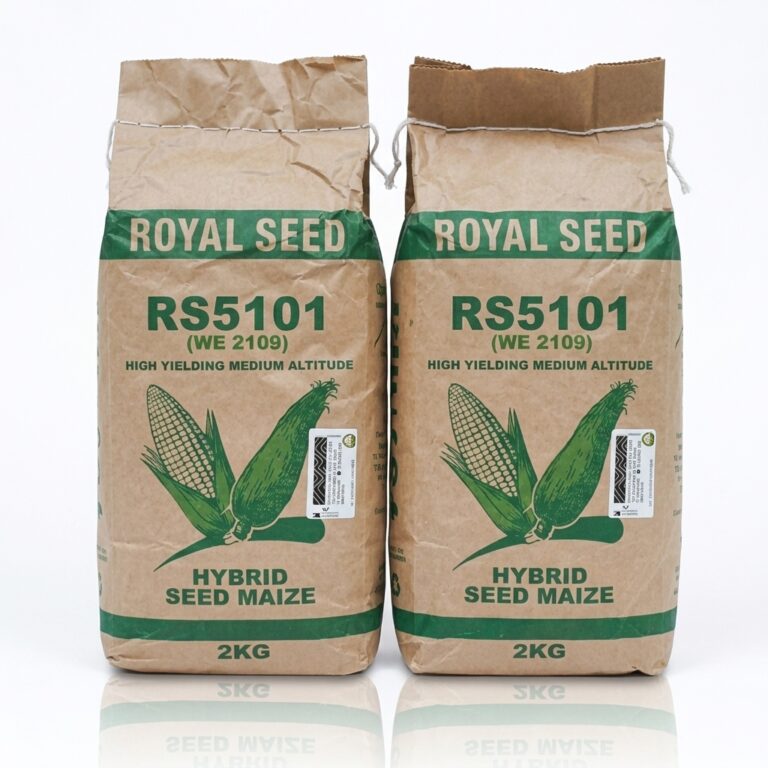
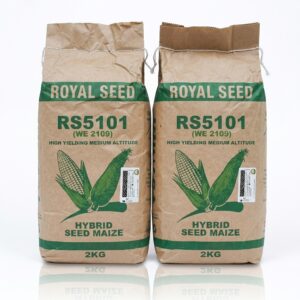
H6213, H628, H629, and H614, from Kenya seeds and KH 600-23A from Agricultural Development Authority are the best varieties. They are all tall with a lot of forage and within 4-5 months are ready for sillage ensiling. However, they all require sufficient rainfall to grow.
The short rains variety such as H520, H513, and H516 can also be planted for sillage but in September -octomber short rains seasons.
How to plant maize for sillage
The land should be well-ploughed and free of weeds before planting. Sufficient manure of up to 20 tonnes should be applied before planting.
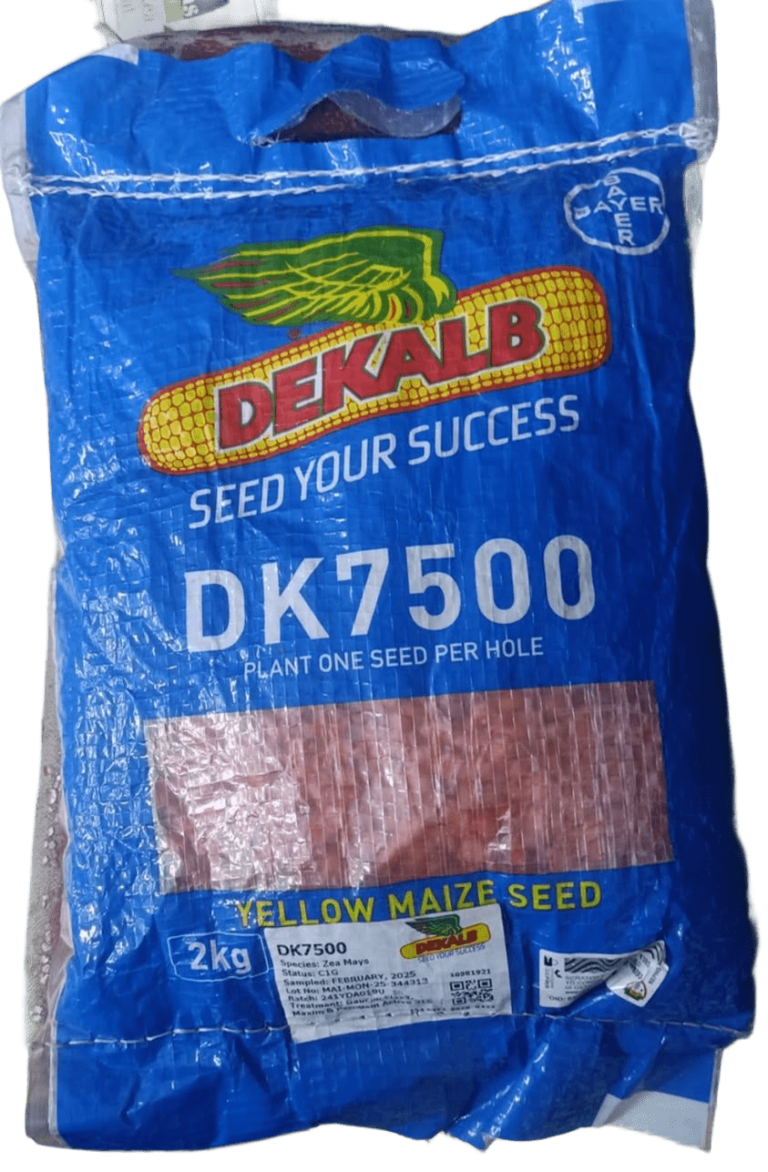
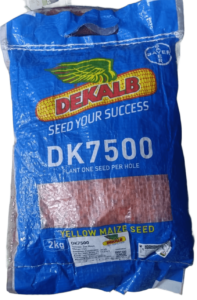
The maize seed rate for sillage is 15-20kg per acre which is almost double the normal. Topdress with 150kg of DAP and UREA fertilizer at 14 and 45 days after plantings respectively. Spaying with match insecticide is necessary for controlling fall armyworms and maize stock borer that destroys most leaves and stems.
Harvesting maize for sillage
Maize for sillage is chopped when the kernels are soft and can be crushed without releasing a “milk-like” liquid. The right chop length and compaction must be observed for the high-quality sillage.
How much yield of maize silage per acre?
Under good management, a farmer can harvest between 15-25 tonnes per acre.
You can engage us for quality silage making.