



Brucellosis is one of the most common contagious and communicable zoonotic diseases with high rates of morbidity and lifetime sterility. There has been a momentous increase over the recent years in intra/interspecific infection rates, due to poor management and limited resources
Brucellosis is an infectious disease caused by bacteria. What makes it worse in humans is the misdiagnosis where it is confused for Malaria.
Causes of brucellosis
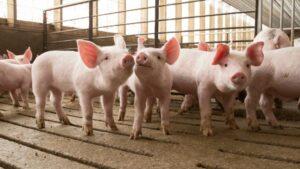
People can get the disease when they contact with infected animals or animal products contaminated with the bacteria. Animals that are most commonly infected include sheep, cattle, goats, pigs, and dogs, among others.
Eating or drinking unpasteurized/raw dairy products is the most common way of getting infected.
If the milk from infected animals is not pasteurized, the infection will be transmitted to people who consume the milk and/or cheese products.
Bacteria can also enter wounds in the skin/mucous membranes through contact with infected animals. Read Also: Understanding foot and mouth disease FMD
This poses a problem for workers who have close contact with animals or animal excretions (newborn animals, fetuses, and excretions that may result from birth).
Symptoms
According to the centre for disease control and prevention CDC; Fever, sweats, malaise, anorexia, headache and pain in the muscles, joints or back and fatigue are the first symptoms.

The worst case is that some signs and symptoms may persist for extended periods.
They include recurrent fevers, arthritis, swelling of the testicle and scrotum area, swelling of the heart (endocarditis), neurologic symptoms (in up to 5% of all cases), chronic fatigue, depression, and swelling of the liver and spleen.
Brucellosis in animals causes abortion, death of young ones, stillbirth, retained placenta or birth of weak calves, delayed calving, male infertility, and a marked reduction in milk yield.