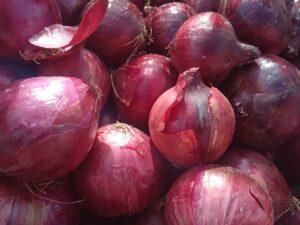


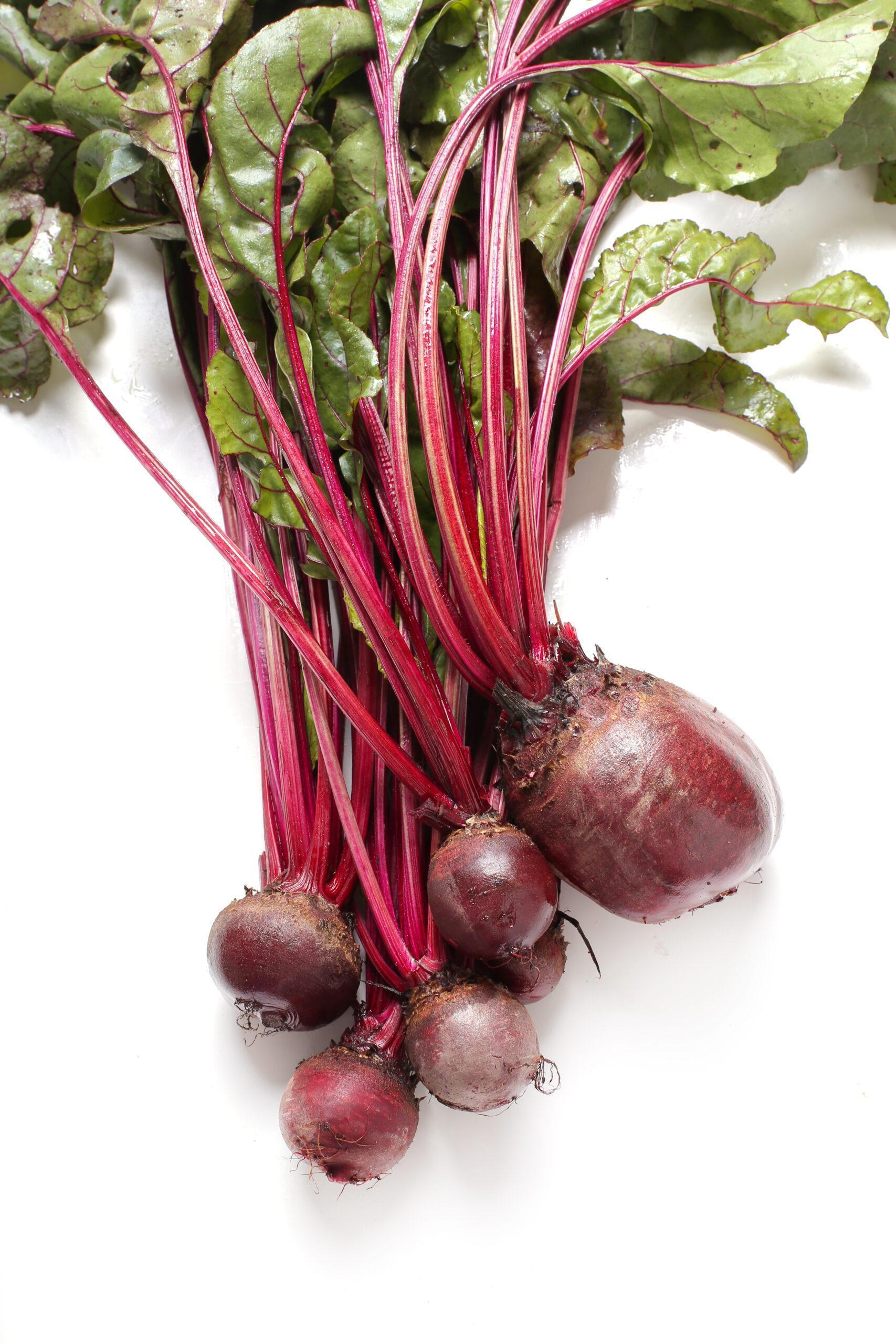
Beetroot; a root vegetable, is famous for its great nutritional benefits. It is commonly consumed in salads, soups and as a natural food colour in cakes and other foods.`
Beetroot benefits
The demand for beetroots has been increasing with more consumers integrating them in their kitchen gardens. Both leaves and tuber are rich in vitamin C, Potassium and Iron.
It is believed to have a great amount of antioxidants and the ability to stabilise high blood pressure levels in humans.
How to plant Beetroots
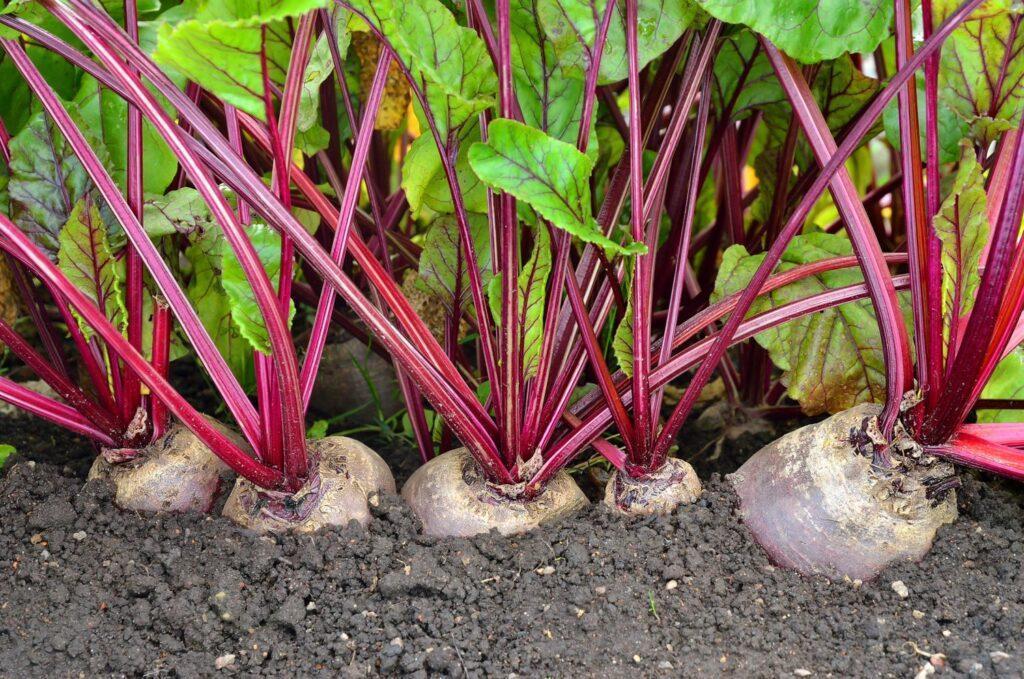
Beetroots do well under cool conditions and can be grown throughout the year as long as there is sufficient water for irrigation and full sun growth.
Shallow sowing of 1-2cm deep, 15 cm by 20cm spacing in a well-deep fertile soil incorporated with compost manure is recommended. Germination takes 5-12 days. Thinning is recommended in densely planted farms to increase the size of tubers.

For commercial beetroot farming, topdressing with DAP and CAN fertilizers is recommended after 21 and 50 days of sowing.DAp fertilizers help in root and leaf development while CAN helps in tuber growth and expansion. This may not be necessary in kitchen gardens with enough manure.
The farm should be maintained clean and free of weeds at all times.
The use of Neem oil, pepper, aloe vera and Garlic solution helps control pests in organic beetroot farming. In large-scale farming, fungicides like luna sensation and Score can be used in controlling Black spots and downy mildew.
The use of match and Dynamec insecticides helps control aphids, thrips or leaf miners. Intercropping with onions can help control thrips and aphids in organic farming.
Read Also;
How to grow huge marketable broccoli
A complete capsicum farming guide
Irrigation should be done after sowing in dry seasons. Root tubers require a lot of water for faster growth and development. Mulching is done immediately after sowing to conserve the soil water moisture content and suppress weeds.

Crop rotation with cereals helps prevent the spread of pests and diseases.
Beetroots take 85-90 days to mature bearing only one tube. The size and weight of beetroot depend on variety, soil fertility and management. Leaves should only be harvested when beets are ready to mature.
Finally, like any other crops look market first before commercial production. With thousands of uses, how do you use your beetroots?