



A good yield is what every farmer desires. Is it a guarantee to profit? NO. A good yield does not always interpret profit due to several factors. Some of these factors include;
Post-harvest losses
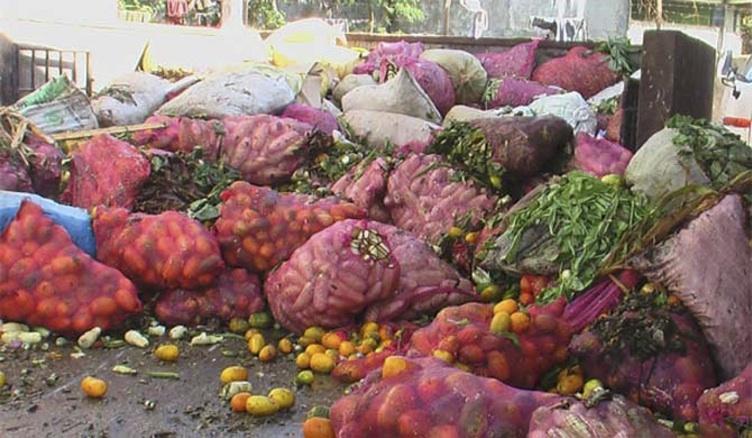
These are losses associated with poor handling of harvested yield due to poor handling and storage of the product, which distorts the quality of the product leading to losses.
Post-harvest losses account for more than 30% of total losses incurred by most farmers, but do farmers know about this?
A 30% loss is not a small loss.
Distribution and marketing costs
These are costs incurred in distributing the harvested produce to the market or final consumer. Some farmers nowadays prefer to sell their produce directly to consumers with the hope of enjoying high market prices.
This process definitely has cost “hidden cost”. Most of the time farmers forget to include these costs and end up eating their profit margins. Some of the costs are; transport costs, levies and cess paid to the county government and staff wages. The cost varies with how faster the product moves in the market.
The profit per kg sold highly depends on these extra costs incurred.
High cost of production
This is the main reason for most farmers closing down. It is the cost incurred in producing a single unit of the product. Does harvesting 20T of onions in an acre mean profit? The answer is definitely NO.
Though good yield is paramount, it does not always interpret as good profit. Producing at the lowest cost than the market price is the key. We have witnessed farms with good production closing down due to the high cost of production.
Read Also
Farmers, this is how to feed dairy cows for high milk
Tomatoes farming-Find out how to farm and make a profit
Minus GMOs, Our Food Is Still Unsafe. Find Out how?
The simple secrets of kale (Sukuma Wiki) Farming in Kenya 2022
Change in government policies
A simple change in government policies can tilt the market positively or negatively leaving farmers making profits or losses. The changes include new taxes on farm inputs and changes in export and Imports tariffs.

The agricultural markets in Africa are volatile and react swiftly to any change in policies. Kenya’s borders are so porous and open, this has eased the access to Kenyan markets by farmers from neighbouring countries.